

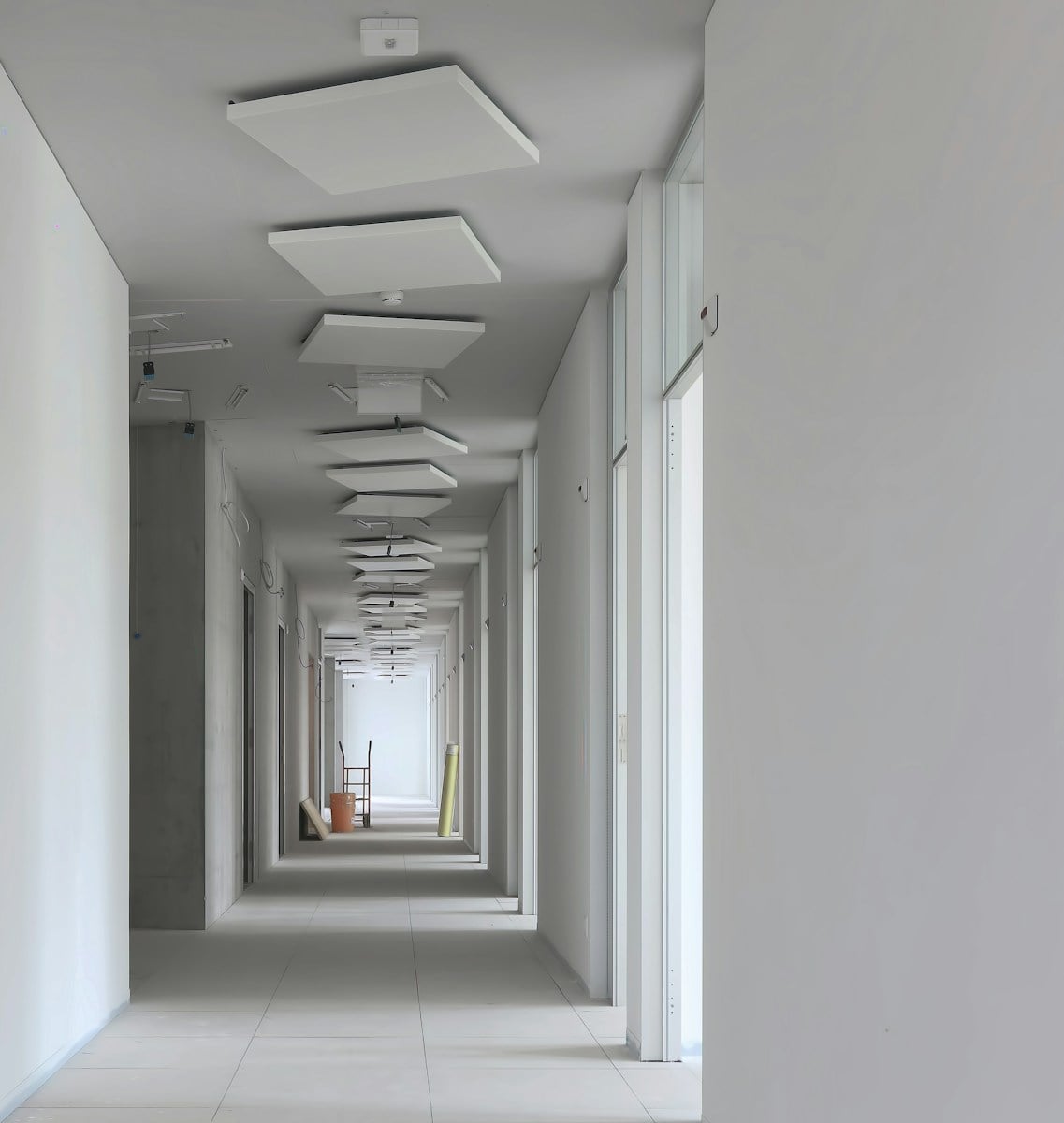
Introduction to Drywalling
Drywalling is a construction technique that involves applying large, rigid sheets known as drywall to the interior walls of buildings without using mortar or plaster. The primary materials include gypsum panels, plywood, and other composite boards, making it a versatile choice for interior wall surfaces.

In modern construction, drywall is essential due to its affordability, ease of installation, and versatility. It has replaced traditional plaster walls, which required more labor and time to install, thus revolutionizing building practices with its efficiency and practicality.
This guide will explore the numerous benefits of drywall, the different types available, how to choose the right one, and the installation process. As you read on, you’ll gain valuable insights into drywall maintenance and repair, ensuring your projects are both beautiful and durable.
Benefits of Drywall
Drywall is a highly cost-effective choice for construction projects, offering a lower material cost compared to alternatives like plaster or wood paneling. This affordability, combined with reduced labor costs due to its quick installation process, makes it an economical option for builders.
Installation is straightforward and efficient, as drywall requires fewer steps than traditional methods, leading to faster project completion. ‘Drywall offers unmatched design flexibility at a fraction of the cost.’
Additionally, drywall is known for its fire resistance, thanks to its gypsum core that can slow the spread of fire while maintaining structural integrity. Its insulation properties also help in regulating indoor temperatures, contributing to energy efficiency.
Finally, drywall provides remarkable design flexibility. It can be easily cut and shaped to fit any space, allowing for creative and customized interior designs. These benefits make drywall a versatile and practical solution for both residential and commercial construction needs.
Types of Drywall
Understanding the different types of drywall available is essential for choosing the right materials for your project. Here are the main types you should consider:
- Standard Drywall: Also known as regular or white board, this is the most common type used for walls and ceilings in rooms that remain dry. It is cost-effective, with prices ranging from $12 to $18 per panel.
- Moisture-Resistant Drywall: Often referred to as greenboard, this drywall is designed for areas exposed to humidity, such as kitchens and bathrooms. It offers excellent mold resistance and is priced between $14 and $18 per panel. Learn more about its unique properties.
- Fire-Resistant Drywall (Type X): Enhanced with fiberglass, this drywall provides added fire safety, making it ideal for garages and apartment buildings. It costs $20 to $30 per panel and is more challenging to install.
- Soundproof Drywall: Perfect for reducing noise transmission between rooms, this drywall is ideal for music studios and home theaters. It combines wood fibers, gypsum, and polymers, with costs ranging from $40 to $55 per panel. Explore its acoustic benefits.
| Type | Thickness | Cost (per 4×8 panel) | Best For |
| Standard | 1/2 inch | $12 – $18 | Dry areas |
| Moisture-Resistant | 1/2 inch | $14 – $18 | Bathrooms, kitchens |
| Fire-Resistant | 5/8 inch | $20 – $30 | Garages, apartments |
| Soundproof | 5/8 inch | $40 – $55 | Studios, theaters |
Selecting the right drywall type can greatly impact the durability and functionality of your space, ensuring you meet specific needs while staying within budget.
Choosing the Right Drywall
Selecting the appropriate drywall is crucial for the success of your construction or renovation project. The choice largely depends on factors such as location, budget, and specific needs. For instance, regular drywall is suitable for dry areas, while moisture-prone spaces like bathrooms and kitchens benefit from moisture-resistant types such as greenboard or purple drywall.
Consider your budget when choosing drywall. Prices range from $12 to $60 per panel, depending on the type and its properties. If fire resistance is paramount, Type X drywall is recommended, particularly for garages and multi-family buildings. For areas requiring soundproofing, opt for soundproof drywall, which is ideal for music rooms or home theaters.
It’s also essential to avoid common mistakes when selecting drywall. As noted by Family Handyman, “Not marking framing locations or leaving gaps can lead to costly errors and damage.” Ensure proper planning and preparation to avoid pitfalls that could affect the durability and appearance of your finished walls.
Essential Tools for Drywall Installation
For a successful drywall installation, having the right tools is crucial. Each tool serves a specific purpose, ensuring the process is efficient and the results are professional.
Cutting Tools
- Drywall Knives: These knives are vital for applying and finishing drywall mud. A 4-inch or 6-inch knife is perfect for initial applications, while a 12-inch knife helps with feathering and final coats.
- Jab Saw: Ideal for making cuts in drywall where there is no edge to start from, this hand saw features a sharp tip and coarse teeth.
Taping Tools
- Tapes and Mud Pans: Essential for applying drywall tape and mudding joints, these tools help achieve a smooth finish.
Sanding Tools
- Sanding Screens and Sponges: Used for smoothing surfaces, these tools are available in coarse and fine options, ensuring a polished finish.
Safety Gear
- Protective Equipment: Always wear dust masks, safety goggles, and gloves to ensure safety from dust and debris. Proper gear minimizes the risk of injury during installation.
Step-by-Step Installation Process
Successfully installing drywall involves several key steps, each requiring precision and the right tools. Here’s a concise guide to get you started.
- Measuring and Cutting Drywall: Begin by using a Drywall T-Square to measure and mark your drywall sheets. A utility knife is ideal for scoring and cutting. “Precision in measurement is key to a perfect finish.”
- Hanging Drywall: With the help of a partner, lift the drywall sheets into place and secure them using a cordless drill and drywall screws. Ensure screws are driven just below the surface for a smooth finish.
- Taping and Mudding: Apply drywall tape over the seams. Use a 6-inch knife to apply a thin layer of mud, followed by a 12-inch knife for feathering and smoothing the joints.
- Sanding and Finishing: Once the mud has dried, use sanding screens or a sanding pole to smooth out the surface. Take care to create an even finish without over-sanding.
Following these steps ensures a professional result, ready for the next stage of your construction or renovation project.
Drywall Maintenance and Repair
Drywall is prone to several common issues such as cracks and holes, often caused by the natural settling of a building or improper installation techniques. Nail popping can also occur when nails are not securely set into the joist or stud, while water damage is a concern if there are leaks or high humidity levels. Addressing these issues promptly is crucial to maintaining the integrity of your walls.
When it comes to repair techniques, small cracks can often be fixed with some joint compound and sanding. However, for more extensive damage like water damage or dents in corner beads, it might be best to consult a professional to ensure proper repair and avoid further damage. For water damage, replacing affected drywall is essential to prevent mold growth and maintain a healthy living environment.
Maintenance plays a key role in prolonging the lifespan of your drywall. Dust regularly and use water-resistant primer to protect against moisture. Keeping humidity levels between 30% and 50% can significantly reduce the risk of damage. “Regular inspection prevents costly repairs.” By being proactive, you can ensure your drywall remains in excellent condition for years to come.
Frequently Asked Questions
How long does drywall last?
Drywall can last between 30 to 70 years, depending on factors such as installation quality, maintenance practices, and environmental conditions. Regular upkeep, like using water-resistant primers and managing humidity levels, can significantly extend its lifespan.
What is the cost of drywall installation?
The cost of drywall installation varies, typically ranging from $1.50 to $3.00 per square foot. Factors influencing this include the type of drywall, labor costs, and the complexity of the project. It’s advisable to get quotes from multiple professionals to find a suitable price point.
Can drywall be painted?
Yes, drywall can be painted. Properly preparing the surface with a primer ensures better paint adherence and finish. Painting is a cost-effective way to enhance the appearance of your walls while protecting them from wear and tear.
Is drywall eco-friendly?
Drywall is moderately eco-friendly. Many manufacturers now produce drywall using recycled materials, and it can be recycled again at the end of its life. Additionally, drywall contributes to energy efficiency by providing insulation properties.