


Drywall's ascent to become the predominant wall finishing material in residential construction worldwide is rooted in a combination of practicality and innovation. Its introduction in the early 20th century marked a significant departure from the labor-intensive lath and plaster method, offering a more efficient alternative that appealed to both builders and homeowners. As we explore the factors that contributed to drywall's widespread adoption, including its adaptability to modern needs, the implications of its dominance in the building industry warrant closer examination. What might this mean for future construction practices?
Definition and History of Drywall
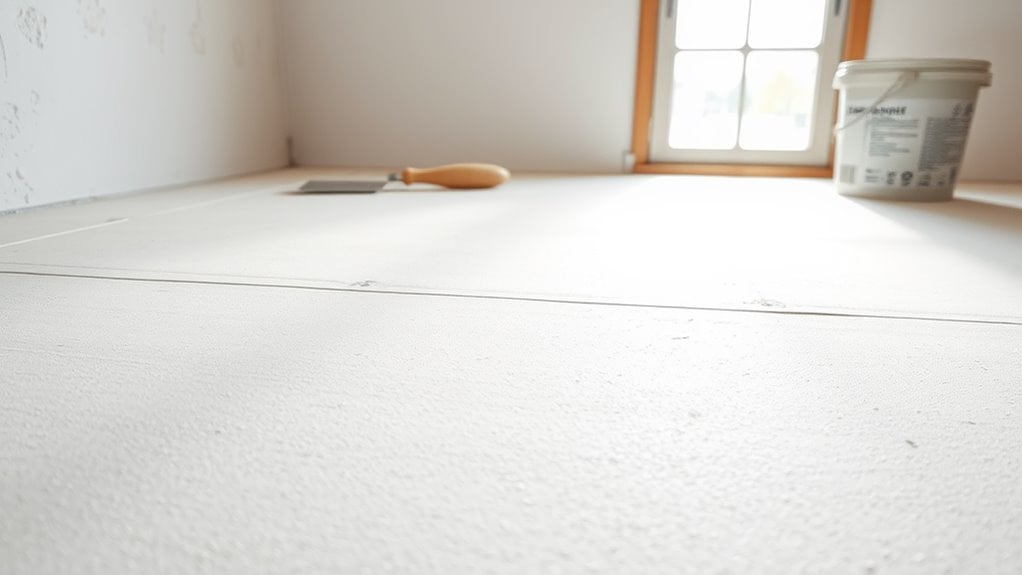
Drywall, a fundamental construction material in contemporary residential design, was first introduced in 1916 as a practical alternative to the traditional lath and plaster method.
This innovation gained traction in the 1940s, driven by the post-war baby boom and the demand for efficient building solutions.
The drywall benefits include its lightweight nature, which simplifies installation and reduces labor costs.
Modern construction techniques, such as the use of screws instead of nails, further enhance the speed and reliability of drywall application.
Its standardized sizes and thicknesses allow for flexibility in design while providing strength, soundproofing, and fire resistance.
As a result, drywall has become the preferred choice in residential construction, supplanting the cumbersome and time-consuming lath and plaster systems.
Issues With Lath and Plaster
The shift from lath and plaster to drywall highlighted several inherent issues associated with the older method of wall construction.
One significant problem is the plaster repair challenges; cracks and damage in plaster walls are not only common due to settling buildings but also difficult and costly to fix.
Moreover, the thickness of plaster complicates rewiring efforts, posing obstacles for modern electrical upgrades.
Insulation issues arise as well, as the use of wood lath and plaster obstructs even distribution, leading to potential energy inefficiencies.
Additionally, the scarcity and higher expense of plaster services compared to drywall installation further underscore the limitations of this traditional method.
These factors collectively contributed to the decline in popularity of lath and plaster in favor of drywall.
Factors Contributing to Popularity
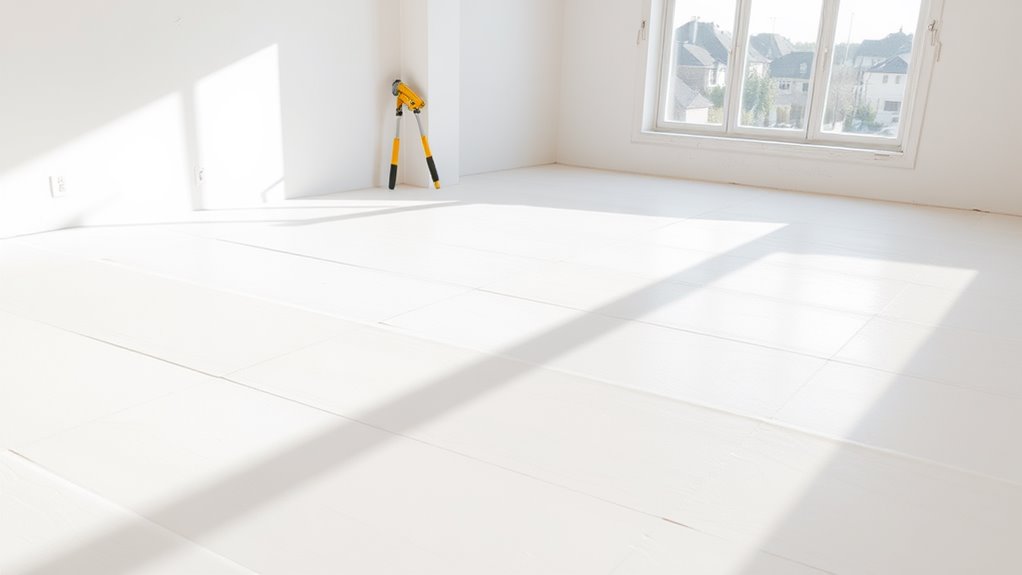
Among the various factors that have propelled drywall to prominence in modern construction is its cost-effectiveness compared to traditional lath and plaster systems.
The drywall benefits are multifaceted; it considerably reduces labor costs and material expenses, making it an appealing choice for builders and homeowners alike.
Installation efficiency is another critical advantage, as drywall can be installed quickly, allowing projects to progress at a faster pace. This rapid installation minimizes downtime and labor costs associated with traditional plaster methods.
Additionally, drywall's compatibility with modern wiring practices and ease of repair contribute to its widespread adoption.
Types of Drywall
While standard drywall is widely used in residential construction, various specialized types exist to meet specific needs and enhance performance in different environments.
Mold-resistant drywall, often referred to as blue board or cement board, is ideal for moisture-prone areas such as bathrooms and kitchens.
Fire-resistant options, such as Type X drywall, incorporate additional thickness to provide enhanced fire protection, making them essential in areas requiring stringent safety measures.
Additionally, soundproof drywall, like SilentFX® QuickCut, is designed to notably reduce noise transmission between rooms, addressing acoustic concerns in multi-family dwellings or entertainment spaces.
These diverse drywall types guarantee that construction projects can effectively cater to varying performance requirements, thereby optimizing durability and functionality in modern building practices.
Contact Information

For inquiries regarding drywall services or to discuss specific project needs, ThreeStepsDrywall provides multiple contact options to facilitate communication.
With over 15 years of industry experience, our team is equipped to assist with all aspects of drywall maintenance, ensuring your projects meet the highest standards.
To reach us, please call 613-900-4269 or email daniel@threestepsdrywall.com.
We also encourage engagement through our social media platforms on Facebook and YouTube, where you can find additional resources and updates on eco-friendly options available in drywall solutions.
Whether you require information on specialized drywall types or sustainable practices, our dedicated team is ready to help you make informed decisions for your construction needs.
Conclusion
The widespread adoption of drywall in residential construction can be attributed to its numerous advantages over traditional lath and plaster systems. Coincidentally, as modern building practices evolved, drywall's lightweight nature, ease of installation, and compatibility with electrical systems aligned perfectly with the growing demand for efficiency and cost-effectiveness. With specialized options available, such as mold-resistant and soundproof varieties, drywall has solidified its status as the preferred material, fundamentally transforming the approach to interior construction worldwide.